 Call Us

Can You Get an MRI with Braces? Safety, Risks, and What Patients Should Know
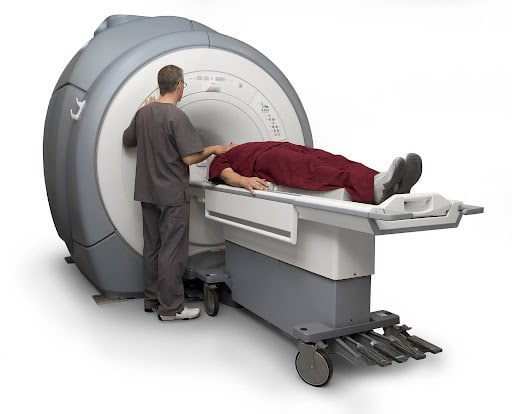
If your doctor has ordered an MRI and you currently wear braces, it’s completely normal to feel concerned. Many patients ask, “Can you get an MRI with braces?” or worry about whether orthodontic appliances are safe around powerful magnets. The good news is that most people can safely undergo an MRI with braces, but there are a few important details you should understand ahead of time.
At Pacific Northwest Orthodontics, patient education is an essential part of care. This guide explains how MRIs work, what MRI safety with braces involves, and what steps orthodontic patients should take before a braces and MRI scan.
What Is an MRI and Why Is Metal a Concern?
An MRI, or Magnetic Resonance Imaging scan, uses a strong magnetic field and radio waves to produce detailed images of the inside of the body. Unlike X-rays or CT scans, MRI technology does not use radiation, which makes it a preferred option for many medical diagnoses.
Because MRI machines rely on magnets, any metal in or on the body must be carefully evaluated. Some metals can move, heat up, or distort images inside the MRI scanner. This is why patients are always asked about implants, piercings, or orthodontic braces, retainers, or other appliances before a scan.
Can You Get an MRI with Braces?
In most cases, yes, you can get an MRI with braces. Modern orthodontic braces are typically made from materials that are considered safe for MRI environments. These materials are designed to remain stable and secure during the scan.
However, while safety is usually not an issue, image quality can sometimes be affected. This depends largely on where the MRI scan is being performed and how close the braces are to the area being imaged.
MRI Safety with Braces: Understanding the Facts
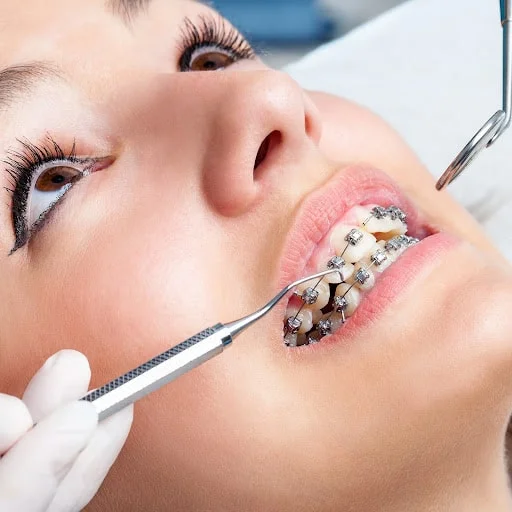
Braces Are Usually MRI-Safe
Most braces today are made from stainless steel, titanium alloys, or ceramic materials. These materials do not react strongly to the MRI’s magnetic field. As a result, they generally do not pose a danger during the scan.
Patients should still inform the MRI technician and medical provider that they have braces. This allows the care team to make appropriate adjustments if necessary and ensures the safest possible experience.
Image Distortion Is the Main Concern
While braces are usually safe, they can sometimes interfere with the quality of MRI images. Metal components may cause what are known as “artifacts,” which appear as blurry or distorted areas on the scan.
Artifacts are most common when the MRI is focused on areas near the mouth, jaw, face, or brain. If the scan is for another part of the body, such as the knee, spine, abdomen, or shoulder, braces rarely affect the results.
Sensations During the Scan
Some patients report feeling mild warmth or vibration around their braces during an MRI. This sensation is uncommon and generally harmless. If you experience discomfort during the scan, you should alert the technician immediately so adjustments can be made.
Types of Braces and MRI Compatibility
Not all orthodontic appliances are the same, and the type of braces you wear can influence MRI results.
Traditional Metal Braces
Traditional metal braces are the most common type. They are generally safe for MRI scans, but are more likely to cause image distortion if the scan is focused on the head or neck.
Ceramic Braces
Ceramic braces contain much less metal than traditional braces. As a result, they typically cause fewer artifacts and are less likely to interfere with image clarity.
Titanium-Based Braces
Some braces use titanium components, which are well known for their compatibility with medical imaging. Titanium tends to cause fewer distortions and is considered highly MRI-safe.
Clear Aligners
Clear aligners are made from plastic and contain no metal. While they must be removed before an MRI scan, they do not pose any safety or imaging concerns.
Braces and MRI Scan: What to Do Before Your Appointment

If you are scheduled for an MRI and wear braces, preparation is simple but important.
Inform Your Medical Provider
Always tell your doctor and the MRI facility that you have braces when scheduling your scan. They may ask about the type of braces you have and how long you have been wearing them.
Communicate with Your Orthodontist
If your MRI involves the head, face, or jaw, your medical provider may consult with your orthodontist. In rare cases, minor adjustments may be discussed to improve image quality, but braces are almost never removed solely for an MRI.
Follow All MRI Instructions
You will be asked to remove jewelry, glasses, hearing aids, and any removable dental appliances. Follow the technician’s instructions carefully and remain as still as possible during the scan to ensure clear images.
Will Braces Ever Need to Be Removed for an MRI?
In the vast majority of cases, braces do not need to be removed before an MRI. Removal is considered only in rare situations where extremely detailed images of the mouth or jaw are required, and artifacts could interfere with diagnosis.
Any decision to remove orthodontic hardware would involve close coordination between your physician, radiologist, and orthodontist. At Pacific Northwest Orthodontics, patient comfort and treatment continuity are always prioritized.
Common Myths About MRI and Dental Braces
Myth: Braces Will Be Pulled Off by the MRI Magnet
Reality: Orthodontic braces are securely bonded to teeth and are not pulled off during an MRI.
Myth: MRI Scans Are Unsafe for Orthodontic Patients
Reality: MRI safety with braces is well established. The majority of orthodontic patients can safely undergo MRI scans.
Myth: You Should Avoid Medical Imaging Until Braces Are Removed
Reality: Medical imaging is often essential for diagnosis and treatment. Braces rarely prevent patients from getting necessary MRIs.
Key Takeaways for Patients with Braces
- You can usually get an MRI with braces safely.
- The biggest concern is image quality, not patient safety.
- Always inform your medical team and orthodontist about your braces.
- Most MRI scans do not require any changes to orthodontic treatment.
Understanding how MRI and dental braces work together can help reduce anxiety and ensure a smooth experience.
Ensure a Safe MRI Experience and Speak with Our Experts
Medical care doesn’t stop just because you have braces. Whether you’re managing orthodontic treatment or preparing for an MRI scan, informed communication is key to safety and success.
This article has been clinically reviewed by Dr. Bobby Virk, DDS, MS – Orthodontist at Pacific Northwest Orthodontics, who has extensive experience coordinating orthodontic treatment with medical imaging procedures such as MRI scans.
At Pacific Northwest Orthodontics, we are committed to guiding patients through every aspect of their orthodontic journey, including how braces interact with other medical procedures. If you have questions about MRI with braces, MRI safety with braces, or how your orthodontic treatment fits into your overall health care, our team is always here to help.
If you or your child needs reassurance before an upcoming MRI, don’t hesitate to reach out. Peace of mind is an important part of a healthy smile.